Key facts
Biomass
450,000 TProcessed each year
Methane
~28,000,000m3 produced each year
Eliminating H₂S with iron chloride improves biogas quality and supports stable plant performance.
Automated chemical dosing helps maximize methane production and process efficiency.
Automated chemical stock management ensures reliable availability and reduces operational risks.
Bigadan processes 450,000 tons of biomass annually and produces about 28 million m³ of methane.
Biomass
Methane
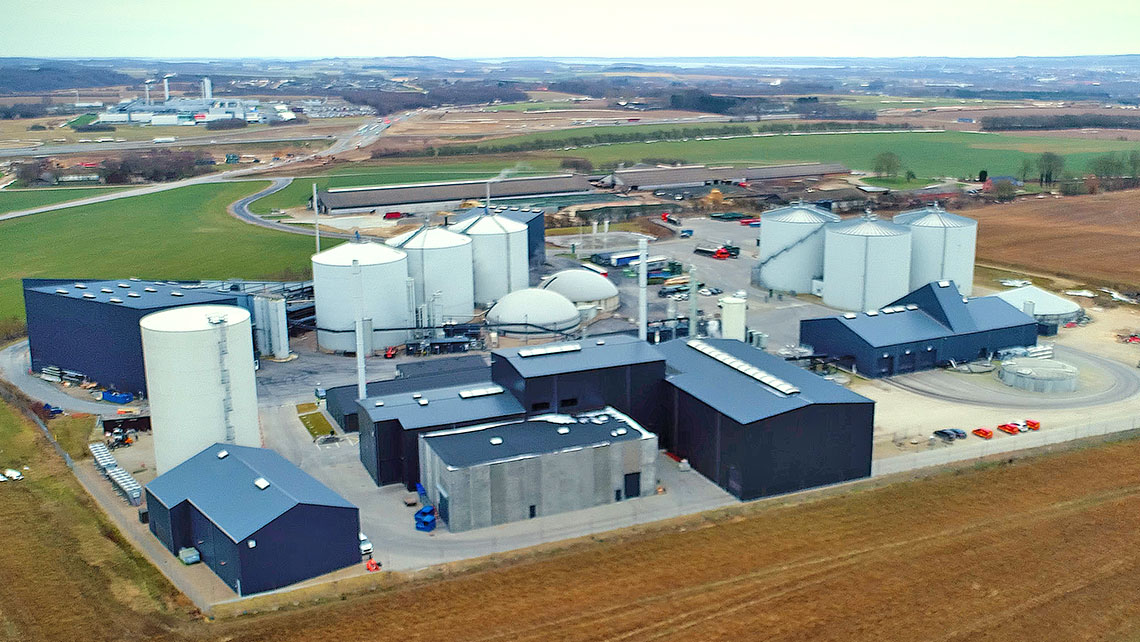
At its facility in Horsens, Denmark, Bigadan Bioenergy processes approximately 450,000 tons of biomass each year from industrial, household, and agricultural sources. The plant produces around 28 million cubic meters of methane annually, making process stability and efficiency critical to its operations.
To optimize biogas production, the facility uses a fully automated process supported by iron chloride and micronutrients. This chemical treatment helps eliminate hydrogen sulfide (H₂S), a common and unwanted byproduct in biogas production, while enabling maximum methane output.
Reliable chemical dosing is essential for maintaining performance. To support this, Kemira provides its KemConnect VMI (Vendor Managed Inventory) service, which automates chemical stock management and helps ensure a consistent supply of treatment chemicals. This contributes to stable operations and reduces the risk of process interruptions.
There is a huge knowledge in Kemira, which we can use and discuss how we can optimize our biogas plants to perform even better.
Jacob Jensen
Strategic Manager, Bigadan
The result is a streamlined, highly automated biogas production process that combines chemical expertise with digital inventory management to improve efficiency, reduce operational challenges, and maximize renewable energy generation.